
The Cacao
Where chocolate begins.
From the volcanic highlands of Mindanao to your hands.
Davao del Sur, Philippines
The world's finest cacao grows here.
Tucked between the Davao Gulf and the slopes of Mount Apo — the Philippines' highest peak — lies a stretch of volcanic lowland and highland tropical forest that produces some of the most complex cacao on earth. The combination of mineral-rich soil, consistent rainfall, and equatorial heat creates conditions that no other region can replicate.
The cacao grown here is Trinitario — a rare hybrid of the delicate Criollo and the hardy Forastero, and even more rare variety called 'Regalo', which means 'gift' in Filipino (Tagalog). It carries the genetic memory of centuries of cultivation, producing beans with a flavour profile that ranges from deep red fruit and caramelised nuts to bright citrus and floral honey, depending on the farm, the altitude, and the season. Both the Paquibato community and the Saloy Estate, from where many of our bars are sourced were both ranked in the top 20 cacao beans in the world by Cacao of Excellence.
LOST WRLD


From Pod to Bar
Every step shapes the flavour.


Harvest
Pods are harvested at peak ripeness — colour shifting from green to deep amber or crimson. Only ripe pods are selected; unripe or overripe fruit is left behind. The harvest window is narrow, and timing is everything.
Fermentation
Freshly cracked beans are piled into wooden fermentation boxes and covered with banana leaves. Over five to seven days, wild yeasts and other natural elements transform the raw pulp, developing the precursors to chocolate flavour. This is where the magic happens — and where most mass-market chocolate cuts corners.
Drying
Fermented beans are spread on raised drying beds under the Philippine sun. Slow, even drying over ten to fourteen days locks in the flavour developed during fermentation. Beans are turned by hand every few hours to ensure uniformity.
Roasting
At the AURO® facility in Davao, beans are roasted in small batches at precise temperatures tailored to each origin. Roasting develops the Maillard reaction — the browning chemistry that creates depth, body, and complexity in the finished chocolate.
Conching
Ground chocolate mass is conched — continuously mixed and aerated — for up to 72 hours. This refines texture, drives off volatile acids, and rounds the flavour. The result is chocolate with a long, clean finish and no harsh edges.
Tempering & Moulding
Tempered chocolate is poured into moulds and cooled slowly to produce a bar with a clean snap, a glossy surface, and a melt that releases flavour gradually across the palate.

Terroir
Taste the land.
The concept of terroir — the idea that a food's flavour is inseparable from the place it was grown — is well understood in wine. In fine chocolate, it is equally profound, and far less widely appreciated.
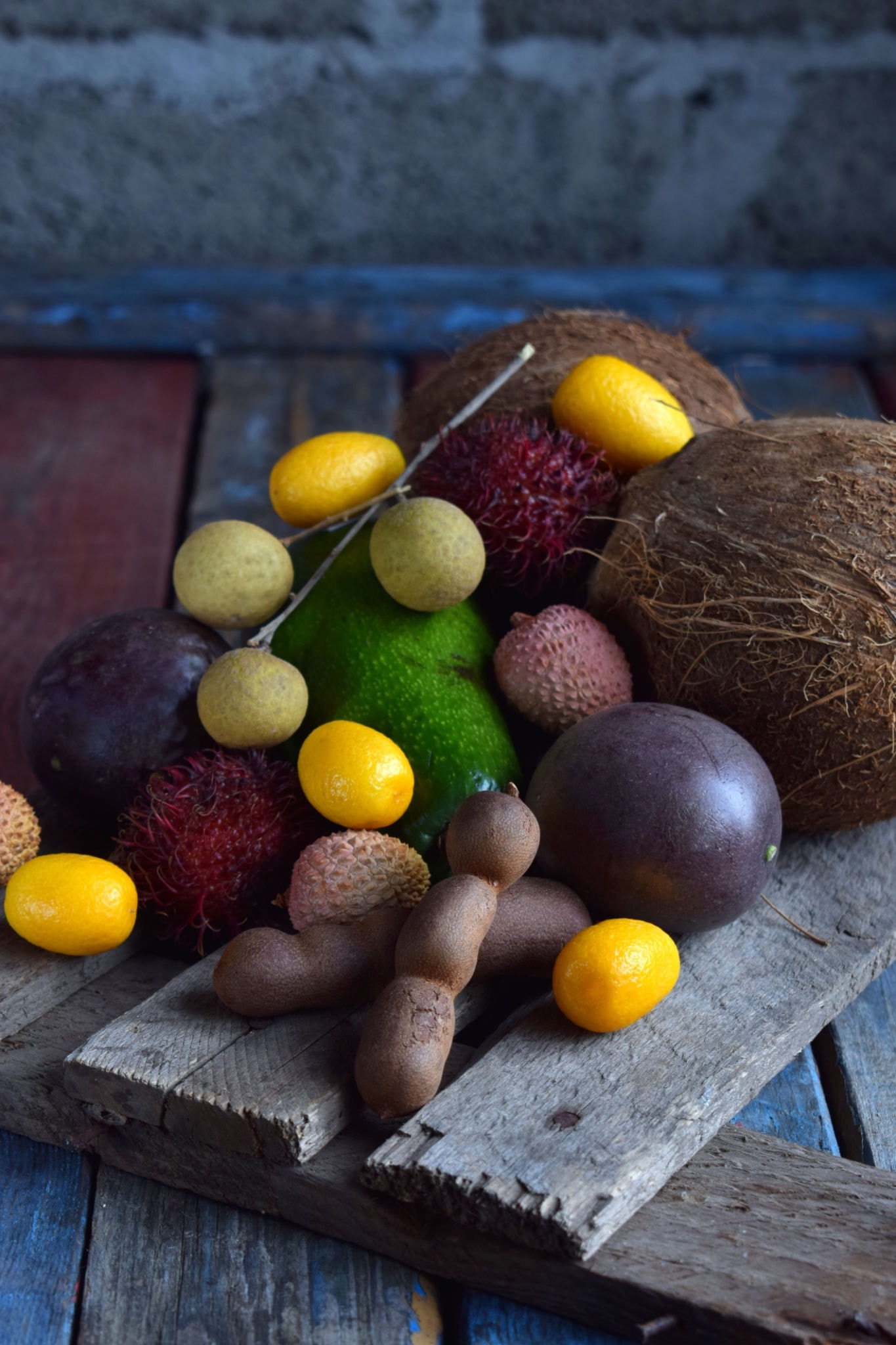
Davao cacao carries the mineral signature of Mount Apo's volcanic soil: a subtle earthiness beneath the fruit, a long finish that lingers. Beans from higher-altitude farms in Paquibato show brighter acidity and more pronounced floral notes. Beans from the coastal lowlands of Saloy are richer, darker, with deeper tropical fruit character - imbued with subtle elements of the surrounding banana, and coconut palms, lanzones, mangosteen and rambutan trees.
This is why LOST WRLDonly sources AURO Reserve and Theo&Philo bars that are single-origin and fully traceable. Blending would erase these distinctions. We want you to taste the specific place — the specific season — that produced your bar.
